
Dangerous Art of Text Mining
Guldi’s first major methodological book on text mining argues that we are on the cusp of a revolution in methods for the study of text — one that can reconcile the quantitative approaches of data science with the nuanced approach to studies of change typical of traditional history. While illuminating the multiple dangers of a naïve approach to archival texts, Dangerous Art maps out a bold path for employing technology in the service of humanistic reflection.
I am a historian of capitalism. My interests have ranged widely over problems of the past and methods for knowing the truth.
Among the themes of my published books and articles are these: How technology can support participatory democracy in general and the governance of climate change in particular. How text mining can help historians to detect hitherto invisible patterns in bodies of text, particularly over the scale of decades and centuries. How text mining can support ordinary citizens as they make sense of how democratic bodies have debated common topics in the recent and long-term past. The wars over squatting, housing, rent, and property-ownership that consumed communities around the world since 1881. Policies for housing, agriculture, and city planning that work for everyone. The history and promise of international governance. Economic ideas about infrastructure, small-scale technology, common ownership of land and water, and how they can create wealth for all. The history of Great Britain, including the role of the road system (and other technologies) in forging a modern nation. How strangers interact on the public street, and how it changes.
Read More

The Long Land War
The Long Land War tells the story of the democratic ecology movement: a global revolution that would bring food, water, and shelter to all.
Tracing the circuitous path of land reform over the last century, Guldi catalogues a diversity of movements and reformers—Irish peasants, Hindu saints, development analysts, academics, economists, indigenous farmers, squatters, and digital activists. She offers an indelible history of the attempts to shelter and feed smallholders, renters, migrants, and squatters.
Jo Guldi tells a story as old as human history. Strategies for turning the land over to the poor date as far back as ancient Canaan or the Roman empire; and yet, modern proposals for state-engineered “land reform” appeared for the first time in nineteenth-century Britain, and the first “rent control” law dates from Ireland in 1881. With a focus on stories about individuals, social movements, and political structures, Jo Guldi provides a definitive narrative of land reform and offers an unflinching critique of its failures, working out the promise of politics for how we own property, govern, and adjudicate justice on a changing planet.
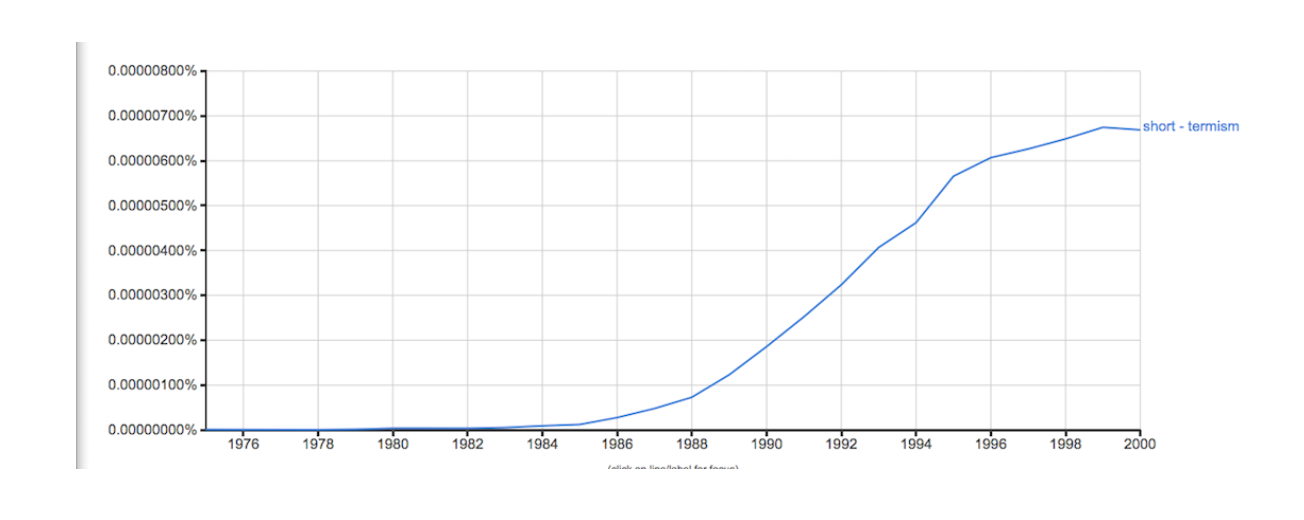
The History Manifesto
Co-authored with David Armitage, former chair of Harvard’s History department, this provocative and thoughtful book is a call to arms to anyone interested in the role of history in contemporary society. It argues that, in this age of specialization, an exploration of the longer time horizon of centuries may be crucial to understanding the multiple pasts that gave rise to our conflicted present. The book represents a pivotal moment in the contemporary debate on the role of history and the humanities in a digital age, and has ignited conversations among policymakers, activists, and entrepreneurs, as well as ordinary listeners, viewers, readers, students, and educators.
Read the full book on the Cambridge University Press Website
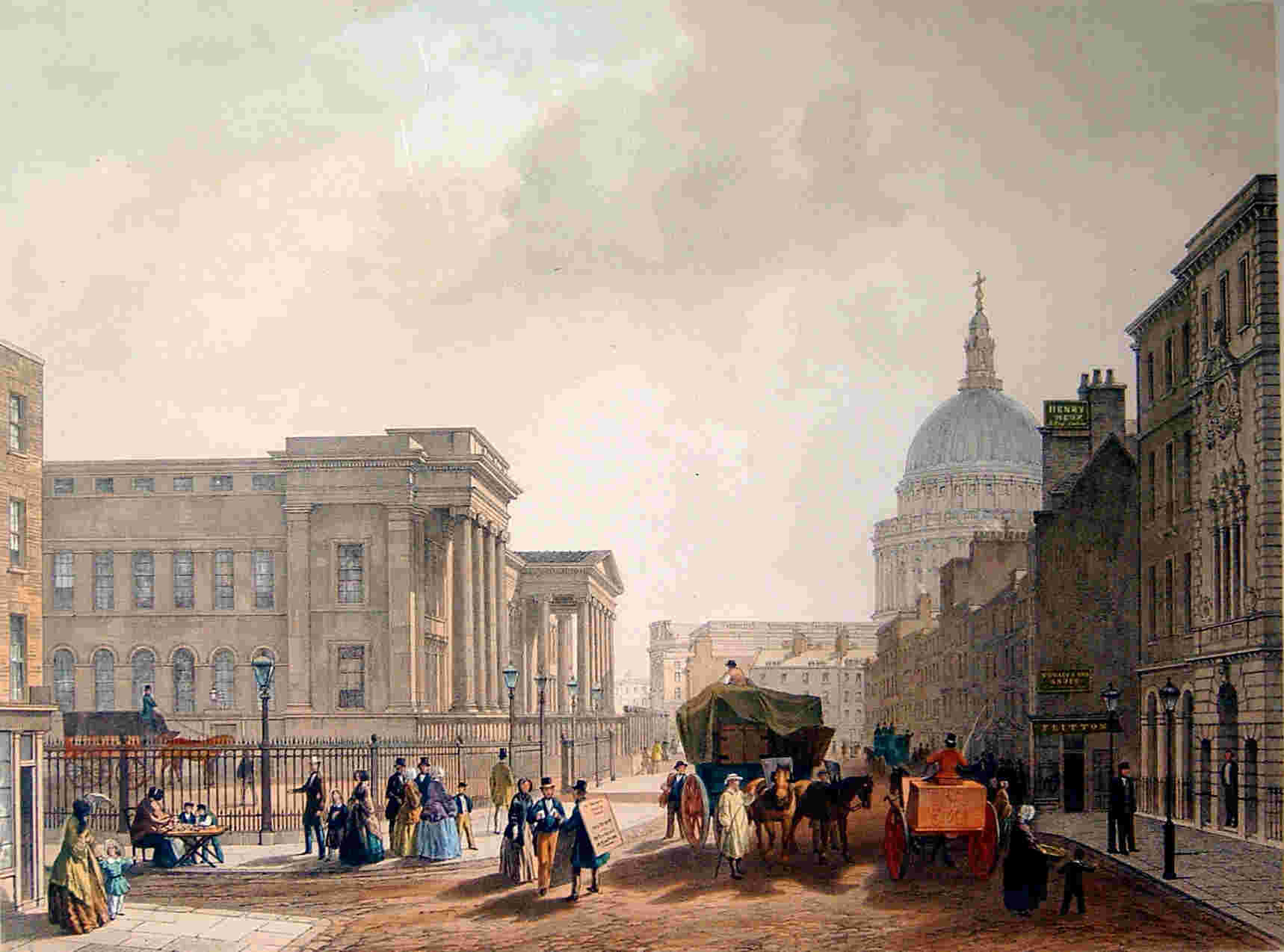
Roads to Power
In her debut book, Guldi argues that during the eighteenth and nineteenth centuries, a period which saw an explosion in construction and management of roads, Britain became an “infrastructure state.” By 1848, the primitive roads of yore had been transformed into a network of highways connecting every village and island in the nation—and also dividing them in unforeseen ways. The book explores the ripples emanating from this profound transformation, including how a libertarian revolution destroyed a national economy, and how technology caused strangers to stop speaking.
Learn more

The Spatial Turn
A book-length essay collection about the major shifts in the intellectual imagination of space over the last century
Learn more

Paper Machines
Paper Machines was an out-of-the-box tool for text mining the pdf’s that humanists and scholars use.
Learn more
Democracy Lab
Jo Guldi also directs Democracy Lab, a multi-university initiative to create a transparent infrastructure for text mining the transcripts of democratic debate.